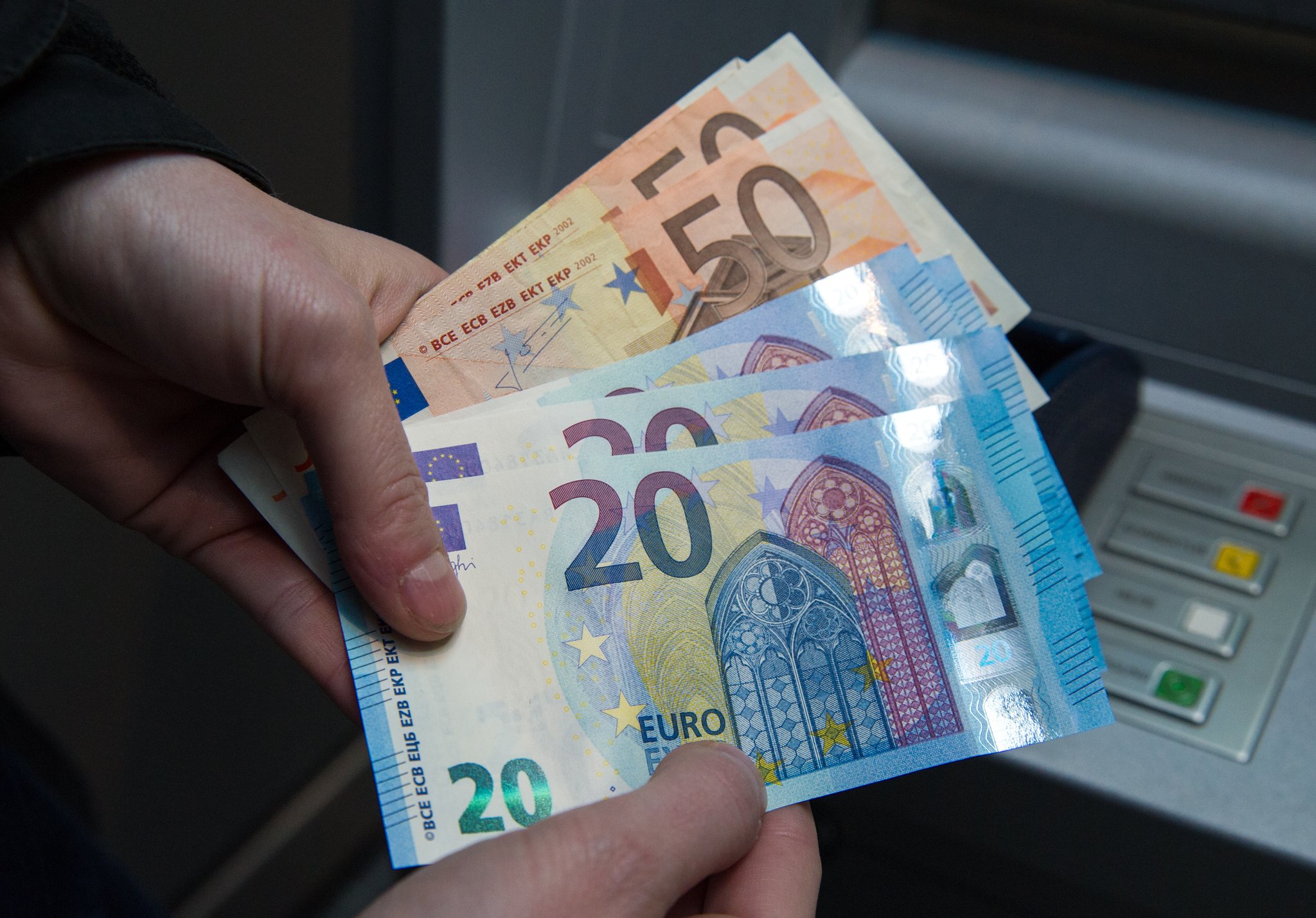
Falsche 50 Euro Scheine Kaufen
Add a reviewOverview
-
Viewed 37
Company Description
15 Undeniable Reasons To Love Buy Fake 50 Euro Notes
The Risks and Realities of Purchasing Fake 50 Euro Notes
In the modern world, the rise of digital deals has somewhat eclipsed physical currency, however paper currency stays an essential part of everyday deals in lots of European nations. The euro, presented in 2002, is one of the most extensively utilized currencies worldwide, especially in the Eurozone which makes up 19 of the 27 European Union (EU) member states. Among the denominations, the 50 euro note is significant for its popularity and its function in daily deals. However, a darker side exists including counterfeit notes, especially fake 50 euro notes. In this article, we will look into the dangers connected with purchasing counterfeit currency, the effects of participating in such activities, and provide guidance on how to acknowledge authentic euro notes.
The Allure of Fake Currency
Counterfeit currency can appear luring for numerous reasons. It promises easy financial gain, particularly when people think they can “make profit” from these fake notes without being captured. Nevertheless, the truth of handling counterfeit money is far more complex and can result in extreme effects.
Reasons People Might Seek Fake Euro Notes
- Financial Struggles: Individuals dealing with economic challenge may think about counterfeiting or acquiring fake currency as a fast option to their financial concerns.
- Naivete: Some may truly think they can utilize fake notes without getting caught, possibly influenced by stories or anecdotes of successful deception.
- Lawbreaker Intent: Others may intend to participate in deceptive activities or rip-offs, believing that fake currency can offer them a path to illegal gains.
Legal Repercussions
Before taking part in any transactions involving counterfeit currency, it is important to understand the legal ramifications. Getting, producing, or distributing counterfeit money is prohibited in nearly every country, including those that utilize the euro. The appropriate laws and possible charges might consist of:
- Criminal Charges: Those captured with counterfeit notes might face serious criminal charges, consisting of fraud or counterfeiting.
- Jail Time: Convictions can result in substantial jail sentences, depending on the seriousness of the offense and the amount of counterfeit currency involved.
- Fines and Restitution: Offenders might go through substantial fines and needed to pay restitution to victims of their scams.
Understanding Genuine Euro Notes
To avoid coming down with counterfeit notes or frauds, it is vital to understand how to recognize genuine euro currency. The European Central Bank (ECB) has actually equipped the euro notes with a range of security functions to combat counterfeiting. When dealing with 50 euro notes, keep an eye out for the following qualities:
- Watermark: Hold the note approximately the light to see a picture of Europa, the figure from Greek mythology, which shows up on both sides of the note.
- Hologram: Tilt the note to observe a shiny hologram that shows different images and colors, including another layer of security.
- Microprinting: Text is printed in very small lettering, which is challenging to reproduce.
- Color-Changing Ink: The number “50” in the bottom corner modifications color from purple to brown as you tilt the note.
- Feel: Genuine euro notes possess an unique texture due to the special cotton and linen paper used in their production.
Tips for Spotting Counterfeit Notes
- Examine the Texture: Genuine euro notes feel distinct to the touch; they should be crisp, with a minor texture from the raised printing.
- Look for the Security Thread: Embedded in the paper, this thread is noticeable when held up to the light.
- Use a UV Light: In a darkened environment, authentic notes will expose covert features that counterfeit costs will not duplicate.
The Impact of Counterfeiting on Society
Counterfeiting poses a considerable danger not only to the economy however likewise to the social trust that currency relies on. The effects of prevalent counterfeiting include:
- Economic Loss: When counterfeit currency is flowed, businesses incur losses that add to total economic instability.
- Increasing Prices: The increase of fake currency can lead to inflation, driving costs up as companies adapt to losses.
- Crime Incentive: Counterfeiting cultivates an environment that motivates other types of crime, undermining community security.
Frequently Asked Questions (FAQs)
1. Is it legal to possess fake currency?
No, it is prohibited to have, produce, or distribute counterfeit currency. However, laws and penalties may vary by nation.
2. How can I inform if a 50 euro note is real?
Try to find unique security features such as the watermark, hologram, micro-printing, color-changing ink, and by taking a look at the texture of the note.
3. What should I do if I receive a fake euro note?
If you think you have received a counterfeit note, do not attempt to utilize it again. Report it to local authorities or your bank.
4. Are fake euro notes easy to find?
While some counterfeit notes are reasonably crude and simple to identify, advanced recreations might need particular knowledge or devices to identify.
5. How can I protect myself from counterfeit currency?
Educate yourself on the functions of real currency. When dealing with money, take notice of its information, and use tools like UV light detectors if necessary.
While the temptation to buy fake 50 euro notes may be driven by financial necessity or discreet falschgeld kaufen lack of knowledge, the implications can be profound and enduring. By understanding the risks associated with counterfeit currency, acknowledging the functions of real euro notes, and promoting the stability of monetary systems, people can play a vital role in combating this pernicious problem. Engaging in counterfeiting not only damages the economy but also threatens societal trust, making it crucial for individuals to be notified and cautious in their monetary negotiations.